

Pursuing Precision - Inside MDT
A strict definition of terms tells us that accuracy is hitting a target, while precision measures a rifle's ability to put all shots through the same hole. Of course, rifle shooters want both. However, to achieve maximum accuracy, we need maximum precision, so that's where we spend a lot of time and effort tweaking guns and ammo.
The classic way of measuring precision is to shoot groups, measure them, and then evaluate the results, always looking for the smallest, tightest cluster and the means to reproduce it on demand. However, how much shooting is necessary to evaluate a given rifle/ammo combination for its ability to deliver precision? Are three-shot groups sufficient? How about five shots? Are ten-shot groups overkill?
It's certainly a question I've wrestled with over the years, and I suspect most serious shooters have as well. I decided long ago that a single three-shot group doesn't tell me anything about how good a rifle/ammo combination shoots. However, it can tell me how bad the combination shoots. After all, if all three shots are widely scattered, that's useful information. But if they form a tight cluster, is that a good indication of the system's capabilities, or is it just luck and the result of random dispersion?
The issue, then, is one of statistical validity and how much shooting is necessary to form an honest evaluation of how well a rifle/ammo system shoots. Fortunately for me, people with access to more resources than I, and a lot smarter, have tackled that question. You can find a great discussion at Hornady's YouTube Podcast #50, called Your Groups are Too Small.
I was intrigued enough by the discussion the fellows at Hornady had about statistical validity, and I wanted to test their theories for myself. After all, one of the principles of scientific research is that another researcher should be able to do a similar experiment and arrive at similar results. The outcome was some range time with one of my favorite ground squirrel rifles, a Tikka T1x mounted into an Oryx chassis and chambered for the .17 HMR cartridge.
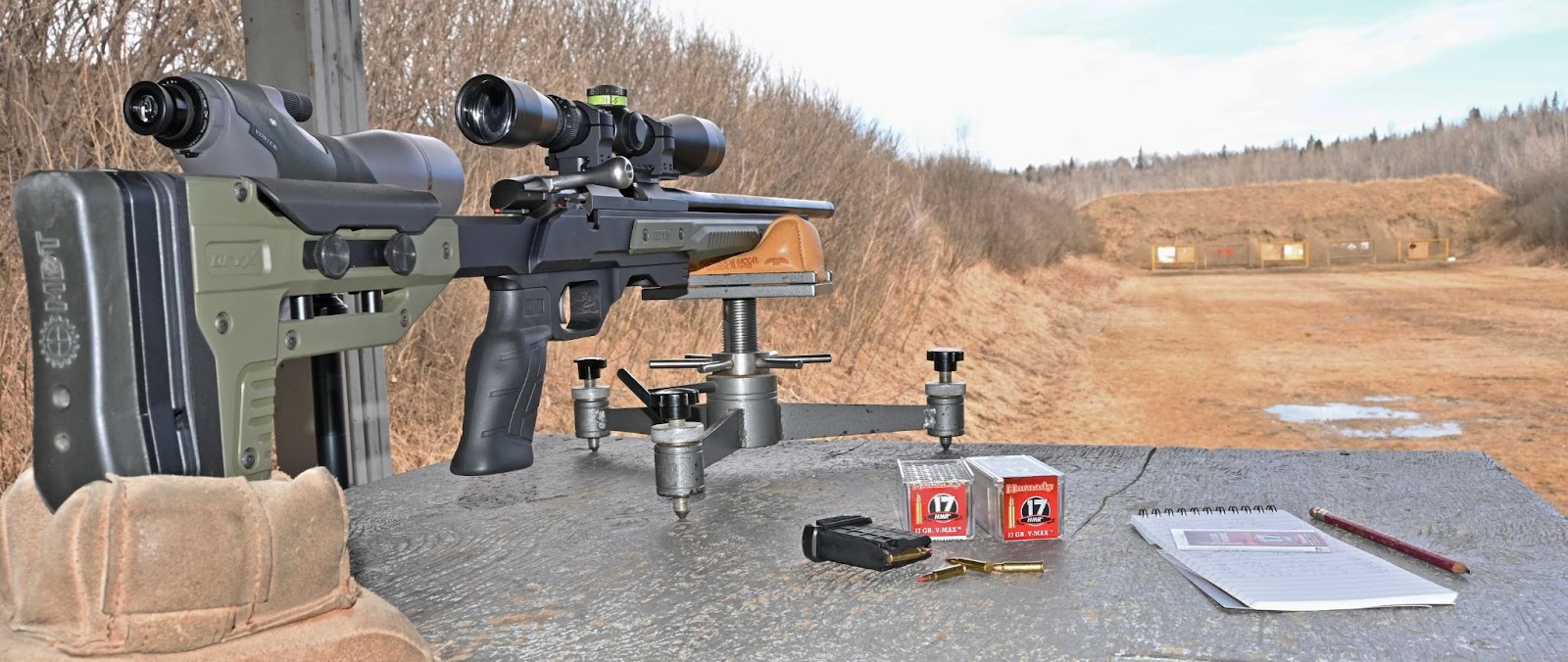
Using a rimfire instead of a centerfire saved on ammo costs, and since I was looking to validate some statistical information about group sizes, caliber doesn't matter. Besides, with a spring ground squirrel hunt soon, it was a good opportunity to work with this rifle.
Firing Hornady 17-grain ammo, I sent 72 rounds downrange in 24 separate three-shot clusters. When the shooting was done, I had 24 three-shot groups.
As you can see, the results varied widely, but this is what can be expected from three-shot groups. The best group (#6) was a single hole and measured 0.12 MOA. The worst (#22) came in at 1.82 MOA. Which one is an accurate depiction of the system's capabilities? And can we use either one to evaluate this rifle's precision?
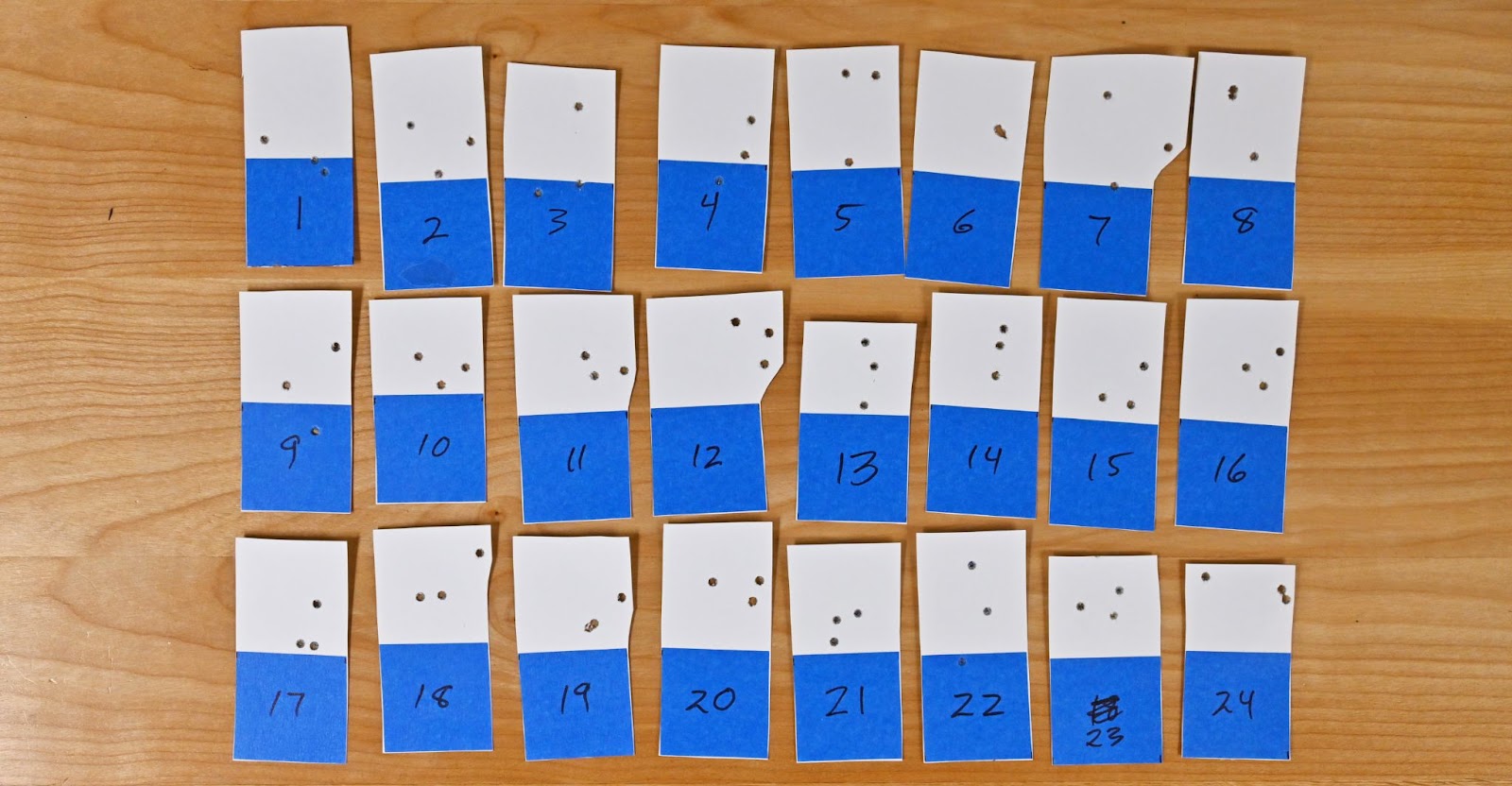
It's tempting to grab onto the smaller group and report that as my rifle's ability. But without putting it in the context of the other twenty-three groups, I'm just deceiving myself. We could average out all the groups (1.04 MOA in this case), and that's certainly more honest and will lead to better decisions, especially regarding modifications to this shooting system.
After measuring all the three-shot groups in a typical center-to-center manner and recording the results, I cut the square aiming points from the paper targets, carefully including the groups that appeared above them. This allowed me to overlay the targets on each other (#1 on top of #2, #3 on top of #4, etc.), and by marking through the bullet holes onto the lower target, I was able to create 12 legitimate six-shot targets.
By doing more of this overlaying, I also produced six 12-shot, three 24-shot, and finally, a single 72-shot target. If I'd shot them all separately, it would have required 360 rounds of ammo instead of just 72.
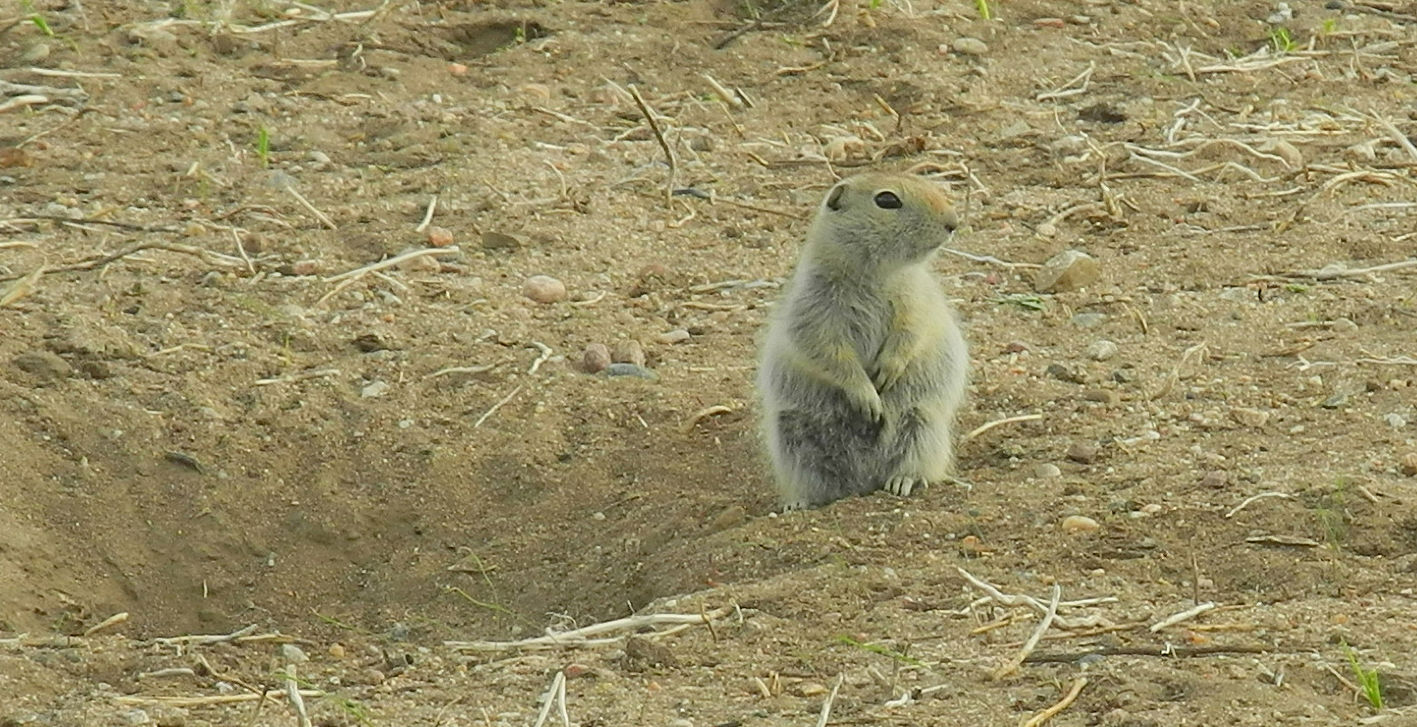
Target size dictates how much precision a rifle/ammo system requires.
When I finished averaging group sizes, the six-shot groups were 37% larger than the three-shot groups. Going to 12-shot groups saw an average size increase of 23%, with another 14% jump in size to 24-shot groups and only an 8% change from there to the 72-shot group. Notice how the percentage of change shrinks dramatically as the number of shots increases, indicating that the randomness is being ironed out as the sample size surges.
This correlates closely to what the Hornady testers found. They concluded that 30-shot groups are ideal for evaluating rifle precision, but 20-shot groups are a good practical alternative, as the small difference involved isn't worth the extra time and ammo.
The single 72-shot group I compiled was more than double the size (2.14 MOA) of the twenty-four 3-shot group average (1.04 MOA). That should be no surprise to anyone, as more shooting never makes a group smaller. Maybe averaging a large number of three-shot groups isn't valid either. In any case, I fired a single 20-shot group on my next range trip. It measured 1.97 MOA.
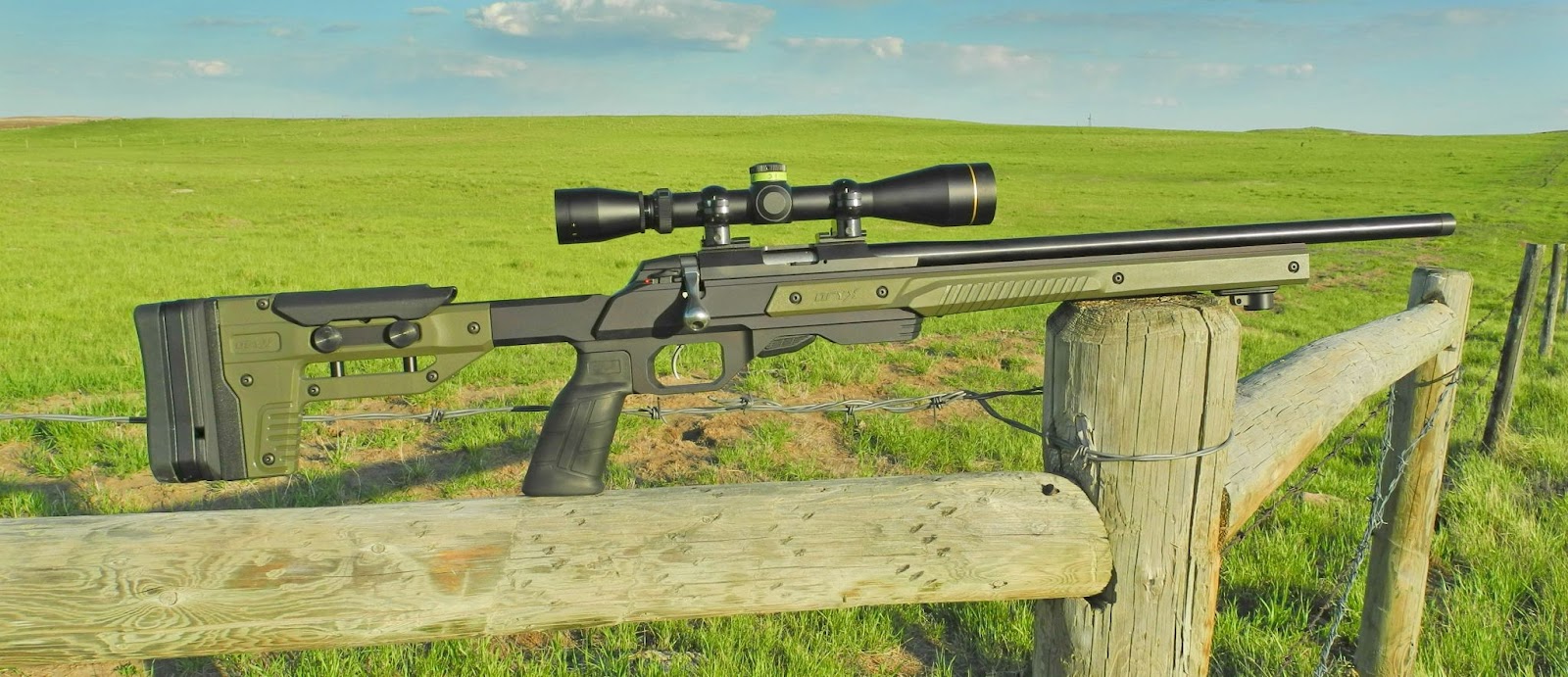
The real question is, how do I express the capability for the precision my .17 HMR possesses—or any rifle, for that matter? After listening to the Hornady engineers explain their findings and getting the same result, I've concluded it takes more shooting than I've been doing to get an honest indication of a system's potential.
I conclude that the most important thing is to put any results in the context of how many shots were fired to get those results. When my ego is feeling fragile, I'll console myself by remembering my rifle once fired a 3-shot group, which measured 0.12 MOA. When I'm in a healthier state of mind, I can say that a particular rifle/ammo combination can produce 20-shot groups of about 2 MOA. It's all about being honest with myself. When I do that, I expect better results in the field and on the range and less frustration.
HARD SKILLS AND KNOWLEDGE FROM MDT
- 3 Ways to Fit the Most Guns in Your Safe
- 5 Things to Know Before Buying a Suppressor
- Five Common Questions About NFA Items
- Swapping Barreled Actions From Chassis to Chassis
- Brownells Quick Tip Assembling a Howa Rifle
- Reloading Crimped Brass
- How To Remove A Tikka Barrel
- DIY $6 Target Stands - Guns And Guitars
- Do Muzzle Brakes Affect Group Size?
- All About Primers
- Reloading Crimped Brass
- Scavenging Brass
- King of the Coyote Calibers
- Tag Your Hunting Truck
- The Ethical Shot
ABOUT THE AUTHOR
Al Voth calls himself a "student of the gun." Retired from a 35-year career in law enforcement, including nine years on an Emergency Response Team, he now works as an editor, freelance writer, and photographer and keeps active as a consultant in the field he most recently left behind—forensic firearm examination. He is a court-qualified expert in that forensic discipline, having worked in that capacity in three countries. These days, when he's not working, you'll likely find him hunting varmints and predators (the 4-legged variety).
MDT Renegade Ultra-Light Shooting Bag Wins On Target Magazine's Editor's Choice Award
#MDTSTORY - Bull Down, on the "P" Road!
Related Posts

5 Benefits of Suppressors Beyond Sound Reduction on Precision Rifles

Guns & Ammo: Savage 110 Ultralite Elite

Using a Sling in Modern Marksmanship

The Four Cornerstones of Marksmanship

Building a Classic Rifle with the MDT TIMBR CORE

Federal’s Peak Alloy Ammunition: Revolutionary Advancement or Reason for Caution?

Impact Shooting: MDT Field Stock in a Precision Rifle Match
